
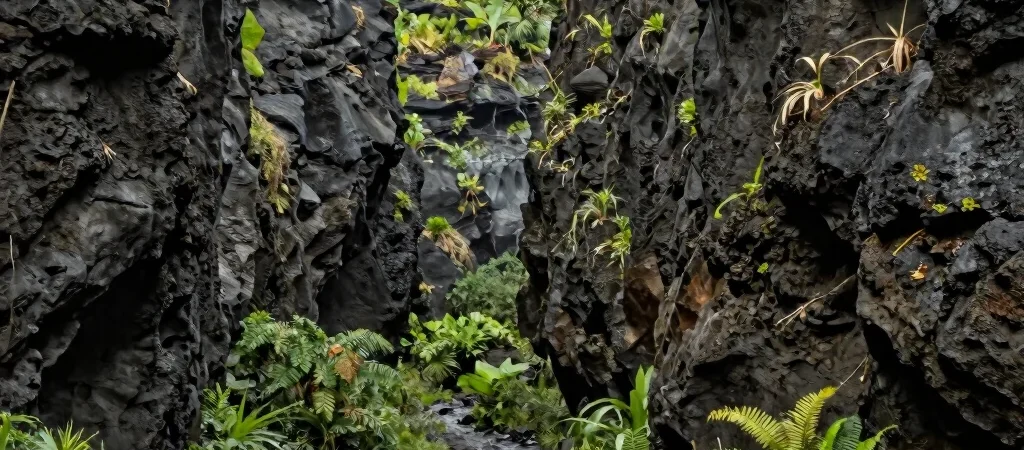
The sky above the start of a canyon may look calm while rain has fallen elsewhere in the watershed. On a volcanic island of steep ravines, the weather you can see is not the whole conditions report.
Check beyond the trailhead
Before an outing, check current weather information for the area and the wider catchment relevant to the route. Also look for official alerts, access restrictions, or closures that apply to the site.
A report from a previous day, a distant viewpoint, or a social post without a clear timestamp is not a reliable substitute for current information. If important details cannot be verified, postpone rather than guessing.
Make the decision early
Agree before departure on who will make the go-or-no-go decision and what uncertainties mean the plan stops. A canyon outing should not depend on persuading a reluctant member of the group once you are already committed.
Conditions may differ along a route and change during the day. Follow current guidance from reliable sources and, where relevant, a legally qualified professional; do not assume that a familiar canyon will behave the same way each time.
Keep the exit option
Turning around is a practical decision, not a failed adventure. If conditions, access, or the group’s readiness no longer fit the plan, stop and choose a safer alternative.
For every Réunion ravine, put verification before momentum. Check the latest reliable information, and leave yourself enough flexibility to act on it.